
Computer equipment used in the human body or wearable devices is now on the rise. Major players in the mobile industry to explore the potential of the human body like a gadget accessory. In addition to Google, there are Apple, Samsung, and even Microsoft, which reportedly developing wearable gadgets.
As one of the pioneers of wearable device, the Sony does not want to miss. The Japanese electronics giant a few days ago released the latest generation of smart watches SmartWatch Android based. President and CEO of Sony Mobile Communications Kunimasa Suzuki also predict wearable device has potential in the future.
"Sony's own plan for the three stages of wearable devices," Suzuki said in an exclusive interview with KompasTekno in Jakarta, Monday (01/07/2013). First, Sony released a wearable device as an "accessory" to the smartphone. "The form should not wearable, it could be another accessory, but connected with the smartphone."
After that, the next do is to add "intelligence" or the usability of wearable device that can stand on its own, without having to be assisted smartphones. Glass Suzuki mentions Google as an example.
"Recently, after that, we will arrive at a stage where consumers can consider wearable device as" the next mobile ", Suzuki said, adding that the wearable device could be the next big trend in the mobile world." Smartphones are always in the pocket or in the hand , while the wearable device is always used. Both are similar as well as different. "
Have not been interested in trying
One of the obstacles faced by wearable devices today, according to Suzuki, is not a lot of consumers are interested in trying to use smart devices in the body, such as Sony's Smart Watch.
In fact, he added, if you want to feel the experience of using the Smart Watch, consumers will surely be tempted. "No try, it's hard to understand the potential of this device. Therefore the challenge now is how to make these devices attractive for the kind attempted by the consumer."
Sony Corporate Vice President for the Southeast Asia and Oceania, Matthew Lang, adding that Sony is trying to solve this problem by utilizing network-owned retail network, including in Indonesia.
"We will double our investment to support the perceived user experience factors (user experience) in stores Sony and Sony cooperate with Indonesia to ensure consumers can have a positive experience when trying out products," said Lang.
About the chances of success of his products wearable devices on the market, Lang expressed optimism. "When others are busy developing a wearable device, we have started since last year."
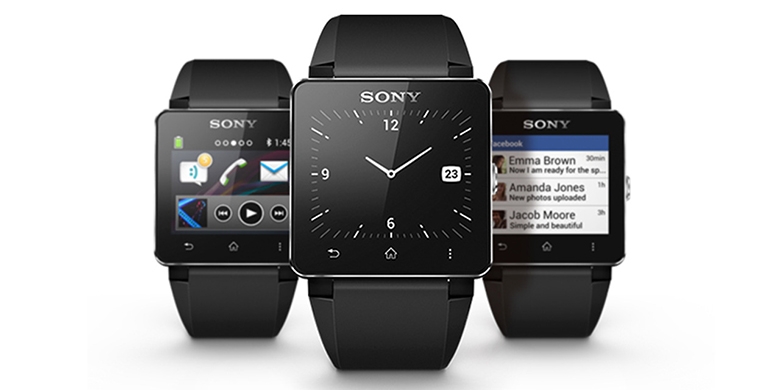 |
| Smart Watches |
"Sony's own plan for the three stages of wearable devices," Suzuki said in an exclusive interview with KompasTekno in Jakarta, Monday (01/07/2013). First, Sony released a wearable device as an "accessory" to the smartphone. "The form should not wearable, it could be another accessory, but connected with the smartphone."
After that, the next do is to add "intelligence" or the usability of wearable device that can stand on its own, without having to be assisted smartphones. Glass Suzuki mentions Google as an example.
"Recently, after that, we will arrive at a stage where consumers can consider wearable device as" the next mobile ", Suzuki said, adding that the wearable device could be the next big trend in the mobile world." Smartphones are always in the pocket or in the hand , while the wearable device is always used. Both are similar as well as different. "
Have not been interested in trying
One of the obstacles faced by wearable devices today, according to Suzuki, is not a lot of consumers are interested in trying to use smart devices in the body, such as Sony's Smart Watch.
In fact, he added, if you want to feel the experience of using the Smart Watch, consumers will surely be tempted. "No try, it's hard to understand the potential of this device. Therefore the challenge now is how to make these devices attractive for the kind attempted by the consumer."
Sony Corporate Vice President for the Southeast Asia and Oceania, Matthew Lang, adding that Sony is trying to solve this problem by utilizing network-owned retail network, including in Indonesia.
"We will double our investment to support the perceived user experience factors (user experience) in stores Sony and Sony cooperate with Indonesia to ensure consumers can have a positive experience when trying out products," said Lang.
About the chances of success of his products wearable devices on the market, Lang expressed optimism. "When others are busy developing a wearable device, we have started since last year."